
Tirana Heritage Routes: 5+1 New Ways to Discover Tirana Beyond the City Centre
Achievements of the TIRANA HERITAGE ROUTES Project
The Tirana Heritage Routes project presented five new thematic routes combining history, culture, heritage, nature, and local communities around Tirana to tour guides, travel agencies, and representatives of public institutions.
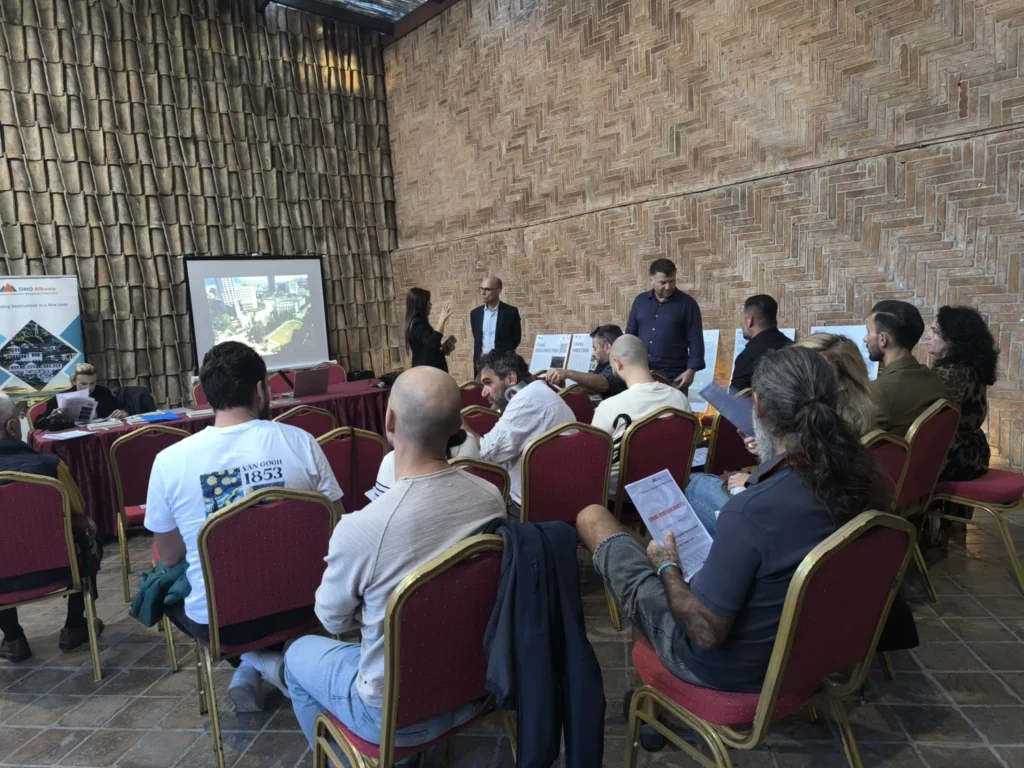
On 27 September, World Tourism Day, DMO ALBANIA held the closing event of the Tirana Heritage Routes project, presenting five thematic tourism routes around Tirana, plus an additional Olive Heritage Route. The routes aim to diversify the tourism offer, develop rural areas, and generate income and opportunities for local communities.
DMO ALBANIA developed the Tirana Heritage Routes project idea, which won funding within the regional Boost Balkans programme, implemented by Alda Balkans and funded by the French Development Agency (AFD).
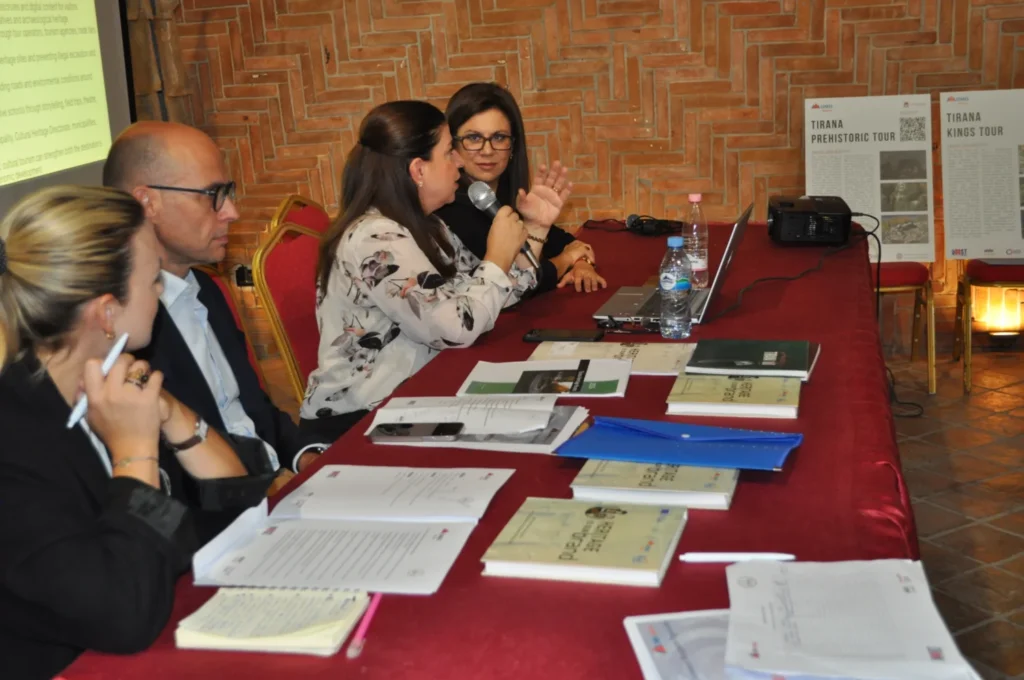
The event was organised in cooperation with the National Association of Tour Guides of Albania (NATGA). Around 35 tourism stakeholders attended the meeting, including tour guides, representatives of tour operators and travel agencies.
The event was also attended by Mr Rémy Privat, representative of the French Embassy, who expressed his enthusiasm for the project. He highlighted that the project brings together all three thematic areas of the regional programme: rural and environmental development, cultural heritage and community development, as well as youth and entrepreneurship. He congratulated DMO ALBANIA for developing five new routes that introduce lesser-known areas not only to international visitors to Tirana, but also to Albanian residents themselves.
Ms Eva Kushova, project manager, presented the different stages of the project, from the initial field research conducted with the project team to the documentation and development of the routes. A summary video showcasing the work and the tourism potential identified throughout the project was also presented to the participants.
The New Thematic Routes
1. Tirana Urban Tour
The Tirana Urban Tour presents a different side of Tirana, beginning at the Mosaic of Tirana and continuing chronologically through the different historical periods that have shaped the capital. The one-day tour offers a historical interpretation of the city while connecting its past with its contemporary identity.
2. Prehistoric Tirana
The Prehistoric Tour includes Pëllumbas Cave, Bovilla and Tujan. It has been designed as either a one-day tour or a thematic multi-day experience.
All three areas, located on the slopes of Mount Dajti, contain documented archaeological and prehistoric evidence, which has been researched and presented through the project. The route combines heritage interpretation with nature, local food and community experiences.
3. Ancient Roads
The Ancient Roads Tour explores territories once crossed by caravan routes connecting East and West, known as the ancient Kandavia routes, and later incorporated into the wider network associated with the Via Egnatia.
The route includes Dorëz, with its Proto-Illyrian Bronze Age fortification, Ndroq and Prezë. Along the journey, visitors discover historical evidence while also experiencing the landscape, spectacular viewpoints, local cuisine and the hospitality of communities in these villages.
4. The Kings’ Route
The Kings’ Route brings to light documented but largely unknown stories connected with the ancient kingdoms and rulers of the region.
The route includes the Illyrian remains of Persqop, stories connected with King Glauk, the history of Pyrrhus of Epirus, and the rich history of Petrelë, from the Topiaj dynasty to Skanderbeg.
This is an area of remarkable historical heritage, ancient ruins, centuries-old olive trees and beautiful landscapes, complemented by local cuisine and a growing number of quality guesthouses and restaurants.
5. The Spiritual Route
The Spiritual Route explores the highlands of Tirana, particularly the Shëngjergj area, where many aspects of traditional life have remained relatively well preserved.
The route explores pagan and religious traditions that continue to influence the cultural life of local communities. It passes through villages with names such as Shëngjin, Shënmëri, Shënkoll and Shëngjergj, as well as historic water mills and traditional celebrations.
Among these is the Shëngjergj festival, traditionally associated with the arrival of spring, together with a number of rituals that remain deeply meaningful and sacred to local residents.
6. The Olive Heritage Route
The Olive Heritage Route, developed initially in Marikaj, begins with visits to centuries-old olive trees and continues with an introduction to the traditional olive-oil production process, followed by a tasting of olive-oil products and an exploration of tourism experiences based on olive heritage.
It creates a complete and authentic local experience connecting nature, agriculture, traditional knowledge, gastronomy and community-based tourism.
The same concept can potentially be replicated in Tujan and Petrelë, areas known for their ancient olive trees and rich olive-growing heritage.
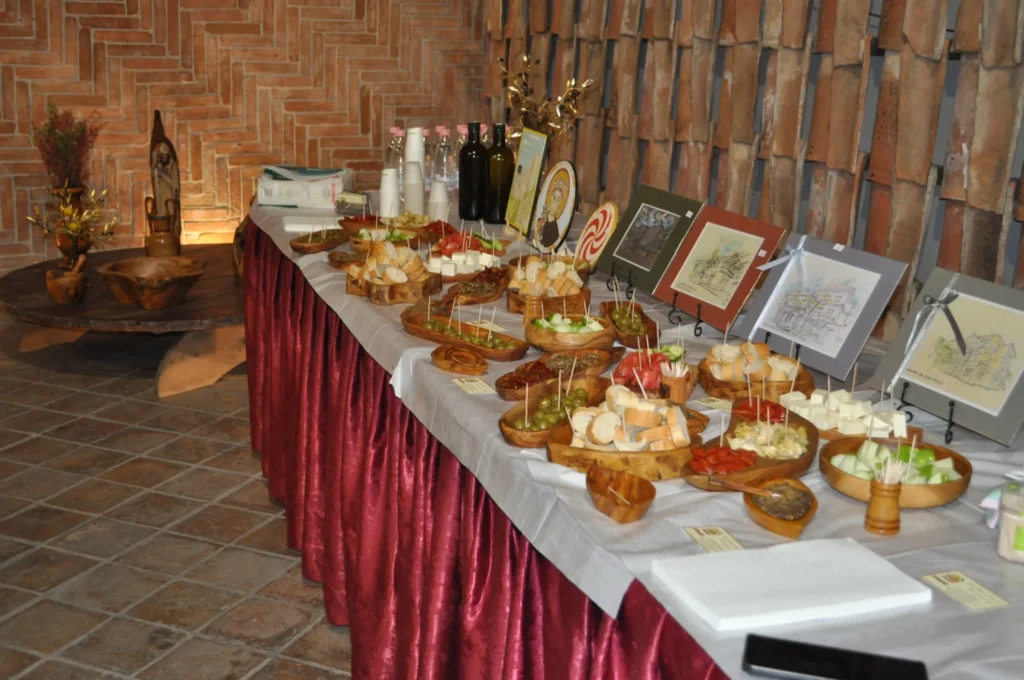
As part of the closing event, participants had the opportunity to experience an olive-oil tasting organised in cooperation with Ms Silva Subashi, bringing this local experience directly into the setting of Tirana Castle.
Discussion with Tourism Stakeholders
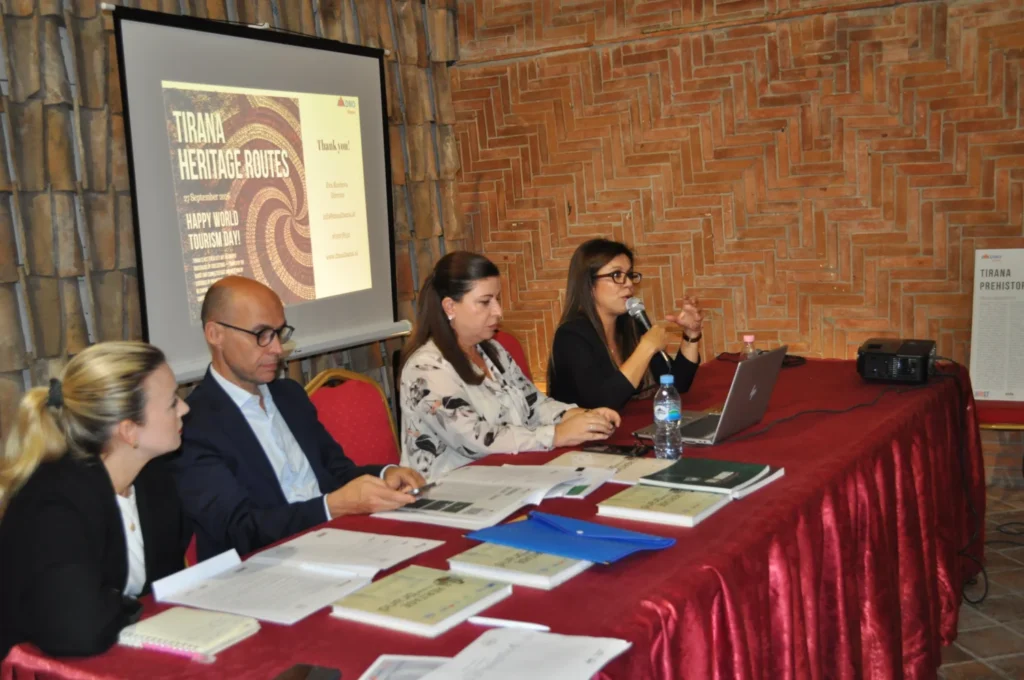
The discussion continued with the participating tour guides. Ms Ardiola Alikaj, President of the National Association of Tour Guides of Albania, highly valued the importance of the routes presented and emphasised the need to diversify tourism itineraries and products while ensuring greater involvement of local communities.
Ms Alikaj suggested that the routes should not only be used by guides operating tours in Tirana, but should also be incorporated into the educational programmes delivered by NATGA for the licensing and professional training of Albanian tour guides.
Ms Eni Dare, Sector Specialist at the Tourism Promotion Directorate of the National Tourism Agency (NTA), also expressed strong enthusiasm for the work presented and for the contribution that projects of this kind can make to tourism development.
She highlighted the importance of promoting these routes through the NTA, as they can help distribute visitors beyond the city centre and direct tourism flows towards rural areas and local communities.
She also responded positively to one of the key recommendations of the Tirana Heritage Routes project: the need to improve the signage at historical sites and ensure that information panels provide accurate historical information and appropriate directions. She committed to forwarding this recommendation to the relevant institutions.
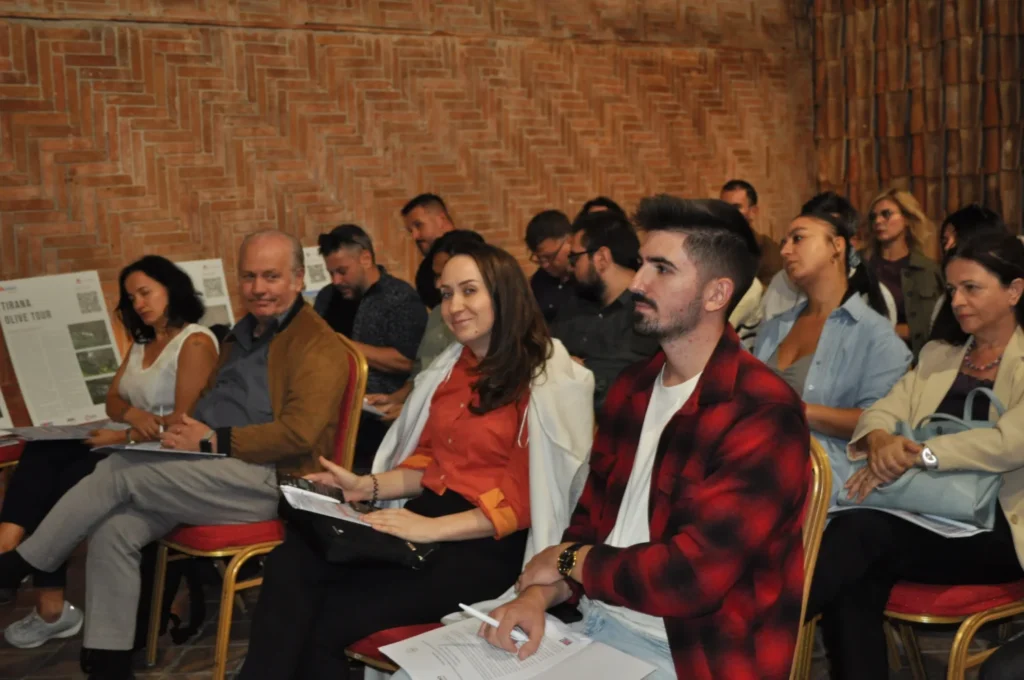
The participating guides also raised a number of practical challenges affecting tourism development in rural areas, including waste management, signage, accessibility and infrastructure needed to facilitate visitors’ access to these destinations.
Participants received a range of project materials, including the newly developed routes, sections of the research study and storytelling texts prepared for the different itineraries.
The event concluded with a tasting of olive oil products provided by Ms Silva Subashi, who, as a member of the local community, also shared stories about the history of the area’s olive trees, the local landscape and the products she creates and promotes.
Main Outputs and Achievements
The project produced:
• 1 historical research and storytelling study providing essential content for Tirana’s tour guides;
• 5+1 thematic tourism routes in the areas surrounding Tirana;
• 10 local businesses integrated into the tourism routes;
• 10 destination videos presenting tourism attractions in the areas surrounding Tirana;
• 1 summary video presenting the overall tourism potential of Tirana and its surrounding areas;
• 10 recommendations for public institutions and the Municipality of Tirana to improve tourism development in rural areas;
• 15 storytelling articles published on the Visit Tirana portal;
• 1 online tourism database published on Visit Tirana, including route descriptions, maps, photographs and drone footage, with the videos also published on the Visit Tirana YouTube channel.
All of these outputs and materials represent new resources that did not exist before the implementation of the Tirana Heritage Routes project.
The project has therefore added significant value to Tirana’s tourism offer by creating a comprehensive portfolio of thematic experiences that connect the city’s history and heritage with nature, gastronomy, rural areas and local communities.
It provides both tourism professionals and visitors with new ways to discover Tirana beyond its traditional city-centre attractions, while creating opportunities for greater visitor distribution and increased economic benefits for communities in the surrounding areas.
Heritage Roots – Visit Tirana

Other News to Read
Tirana Heritage Routes: 5+1 New Ways to Discover Tirana Beyond the City Centre
he Tirana Heritage Routes project presented five new thematic routes combining history, culture, heritage, nature, and local communities…
What to do in October 2026 in Tirana
Tirana, Hello Autumn! Welcome October! October in Tirana is a vibrant, colorful month — a lovely fusion of…
What to Do in Tirana in September 2026
What to do in September 2026 in Tirana . The month of Festivals and cultural activities
Tirana Castle: A Fortress with Ancient Roots
Tirana Castle: A Fortress with Ancient Roots. t is traditionally said to have been built in the 18th…