
Nowruz Day-How is celebrated in Albania
“Nevruzi” comes from Persian and means “New Day,” while “Sultan” is the high title that points to the importance of this day. Sultan Novruz’s holiday arrived in Albanian lands along with the Bektashi faith in the 15th and 16th centuries. This celebration has become a nationwide manifestation in the twentieth century and especially amongst it.
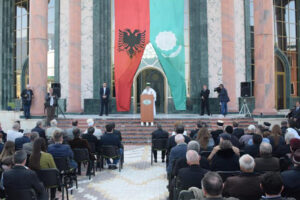
Communist dictatorship in Albania inclined towards atheism, closed in 1967 all cult objects, including those of Bektashi faith. In Albania, Novruz Day, the most important holiday of Bektashism, was proclaimed a national holiday in 1996. The Bektashi Sect is largely located in the south of the country, while it has a considerable extension in the territory of the Republic of Albania. The Bektashis are also spread in Kosovo and Macedonia, where, alongside the Sunnis, they constitute the Albanian population of the Muslim faith.
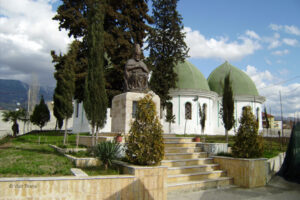
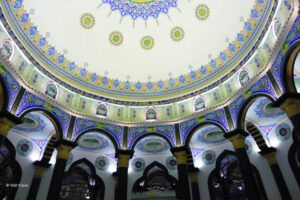
Tirana, Albania, is home to the Bektashi World Center. The Bektashi World Centre in the northeastern suburbs of Tirana features a vast and impressive tekke with a fascinating museum in the basement and a small gift shop where visitors can buy various Bektashi-related souvenirs. The Teqe is adorned from top to bottom with marbled mosaics in the most breathtaking array of colors and patterns. The Bektashi Order is a dervish sect that fuses elements of predominantly Shia and Sufi thought into a unique blend of Islamic belief and philosophy.
Banned briefly by the Ottoman authorities in 1826, the Bektashi Order re-emerged later in the 19th century only to be outlawed again by Mustafa Kemal Atatürk soon after the foundation of the Republic of Turkey in 1923, an event that led the order to move its headquarters to Albania in 1925.
The final restoration of the religious complex was inaugurated on 8th September 2015 in the presence of the heads of all religious communities in Albania and representatives of Islam communities from elsewhere in the Balkans, Europe and beyond. Albania is well known throughout the world for its religious tolerance.

Other News to Read
The Ancient Origins of the Name Tirana- A toponymic and archaeological story
The Ancient Origins of the Name Tirana- A toponymic and archaeological story
Persqop-the Ilyrian city 4th century BC
The ancient castle of Persqop also known as “The Ancient town of Brysaka” is located to the south…
What to do in February 2026 in Tirana
After the cold and gloomy January, almost everyone can hardly wait for February. Some are excited to celebrate…
The Vrap Treasure: An Early Medieval Story from Tirana
Vrap village in Tirana, entered European archaeological history with the discovery of an extraordinary treasure — the largest…