
Persqop-the Ilyrian city 4th century BC
Persqop-the Illyrian city 4th century BC
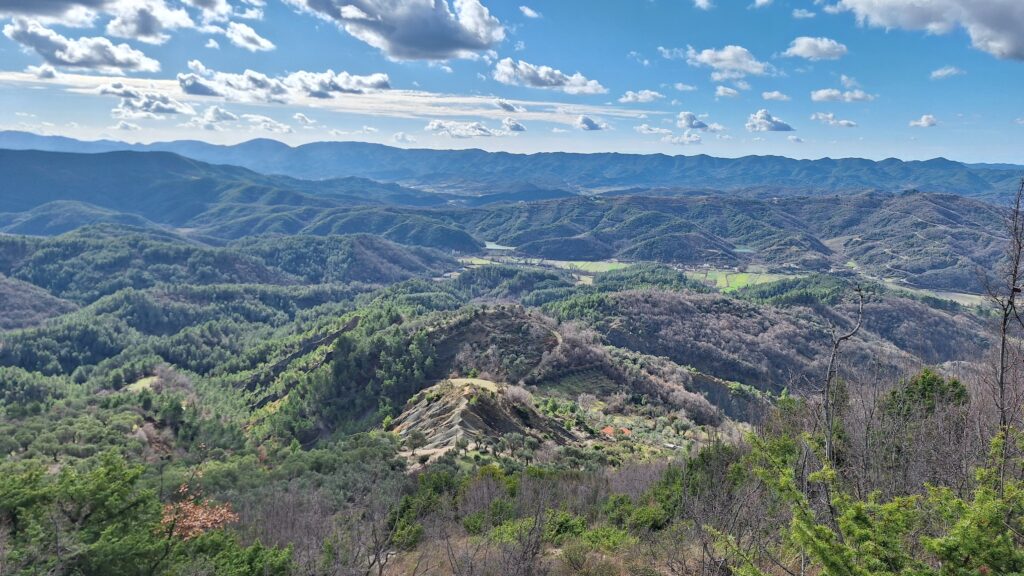
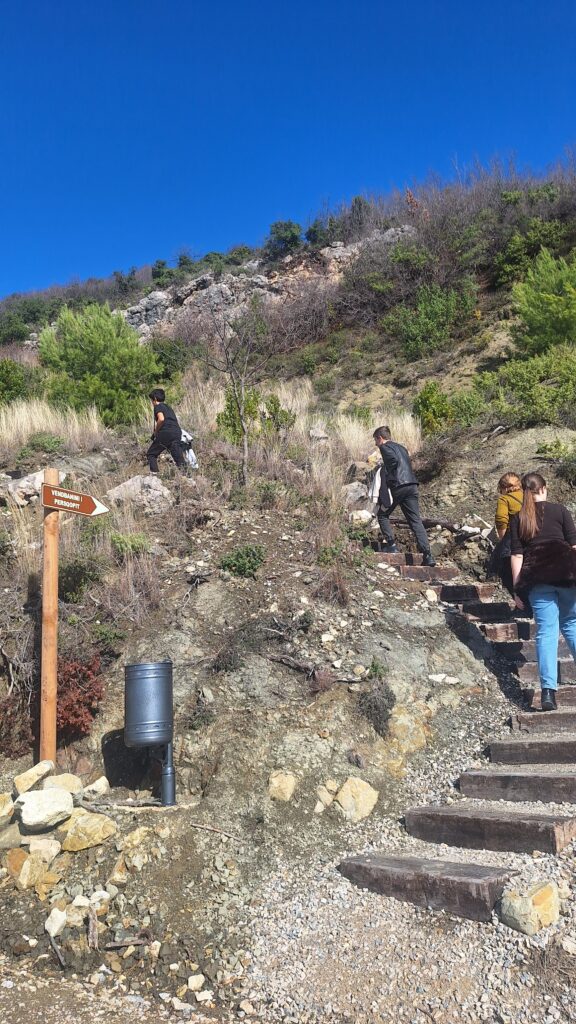
The ancient castle of Persqop also known as “The Ancient town of Brysaka” is located to the south of Tirana, near Petrela Castle, built on Mount Villa (also known as the Hill of the Christians), at a strategic point near to the road from Tirana to Qafe Krabe. In the orientation tables in Petrela is named “The Castle of Përsqopi”. Drive by car to the center of Petrela village and then walk on a good rural road to the ruins of the city. From the center of the village take the road to the left, in the opposite direction of the fortress of Petrela.
History
The ancient city of Brysak belongs to the Illyrian tribe of Partheni and belonged to the partinian koinon with the capital, Parthen (Berat). This town was next to the Egnatia road beneath it, along the banks of the Erzen River. The city controlled the ancient road from Dyrrah, passed to Tyran and went to Scampin (Durres-Tirana-Elbasan), later part of the Egnatia road.
The Kingdom of Glaukia and shelter of Pirros
It was the residence of King Illyria Glaukia, who has sheltered the Epirus leader Pirros of Epirus for 10 years from the age of 2 to 12 years, which the Macedonians wanted to kill. They offered King Glaukia a large sum of money but he refused. (Source: ‘Illyrians’ Neritan Ceka).
But there are some other documents showing that this was the birthplace of Great Alexander of Macedonia. According to Frang Bardhi and Pjeter Bogdani written documents, in medieval period, Persqopi was the place where Leka i Madh, was born.
The city has lived about 1000 years and its splendor has been from 2500 to 200 years ago. With the invasion of Illyria by the Romans, the city fell. In the 4th century AD, construction of the Petrela fortress is now under way and the city loses its function.
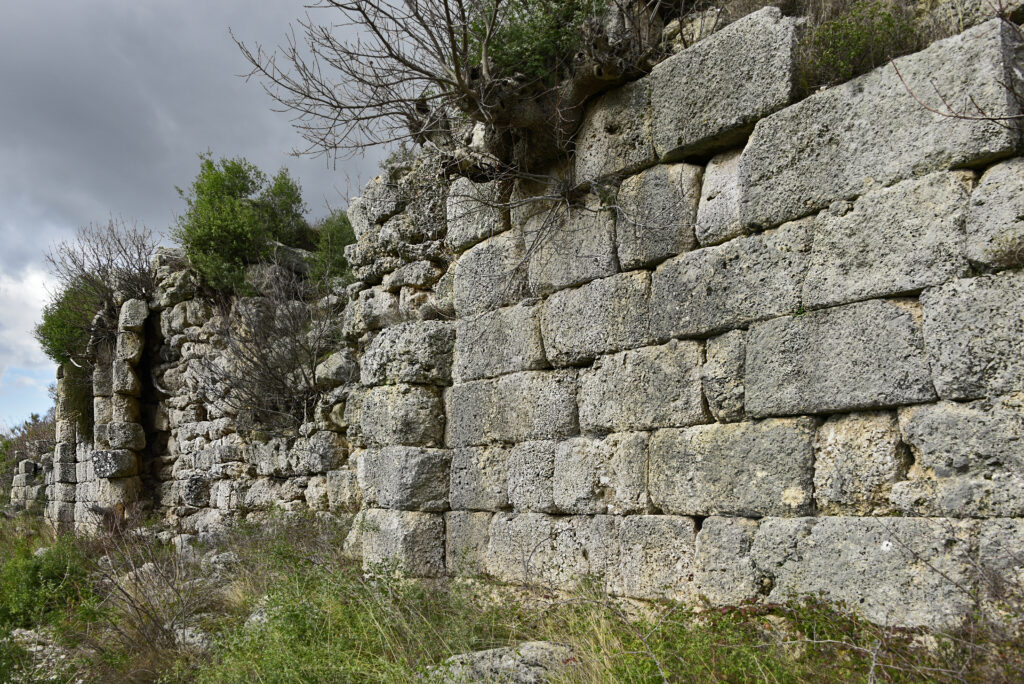
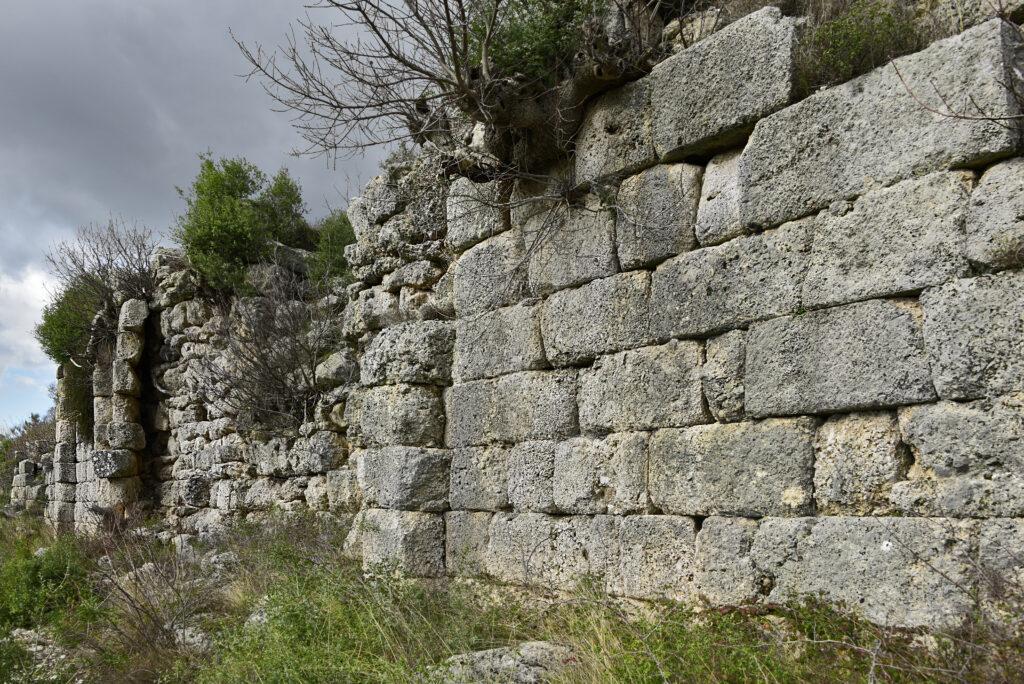
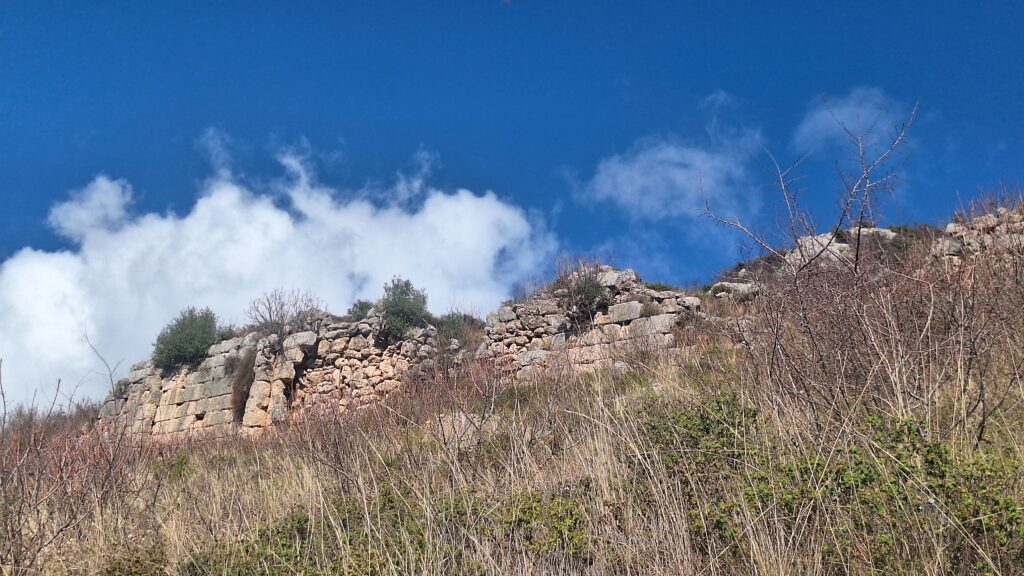
Fragments of Pelasgic walls are the largest in Albania today preserved since that time. The walls surrounded the hillside and on the eastern side there are the ruins of a monumental tomb (locals call it “The tomb of Christians”)
The walls are built with massive stone blocks without bonding material (mortar).
Today the city is an interesting destination to touch antiquity, as well as enjoying the surrounding nature.
A project by DMO ALBANIA, part of the BOOST Balkans Program, implemented by ALDA Balkans, financed by AFD France
Disclaimer: The views, opinions and content expressed in this publication are those of the author(s) and do not necessarily reflect the official position of the European Association for Local Democracy-ALDA and Agence Française de Développement (AFD). ALDA and AFD are not responsible for any use that may be made of the information contained therein



Tags:

Other News to Read
Tirana Heritage Routes: 5+1 New Ways to Discover Tirana Beyond the City Centre
he Tirana Heritage Routes project presented five new thematic routes combining history, culture, heritage, nature, and local communities…
What to do in October 2026 in Tirana
Tirana, Hello Autumn! Welcome October! October in Tirana is a vibrant, colorful month — a lovely fusion of…
What to Do in Tirana in September 2026
What to do in September 2026 in Tirana . The month of Festivals and cultural activities
Tirana Castle: A Fortress with Ancient Roots
Tirana Castle: A Fortress with Ancient Roots. t is traditionally said to have been built in the 18th…