
Ndroq Castle – The rock that saved a Byzantine Emperor
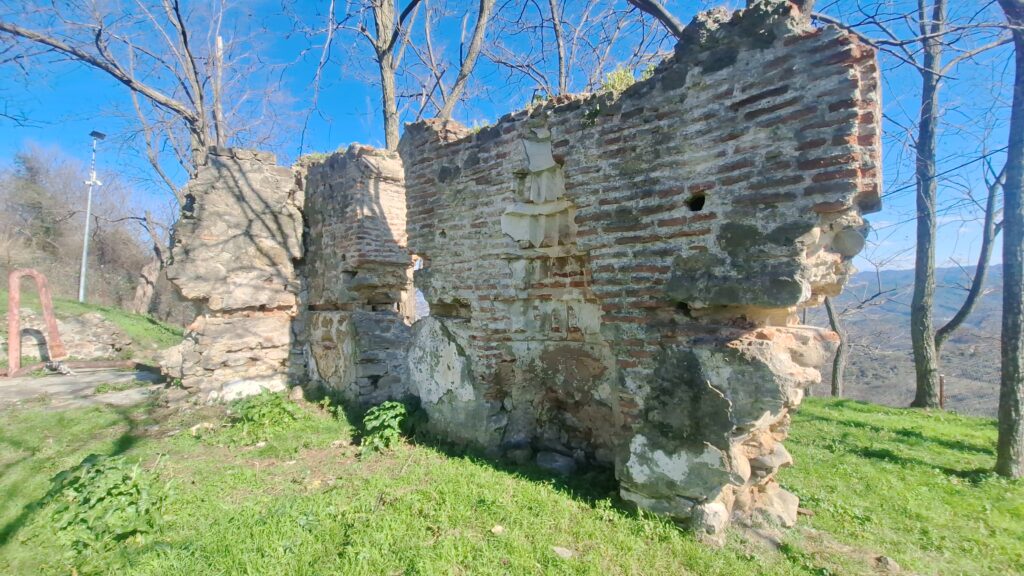
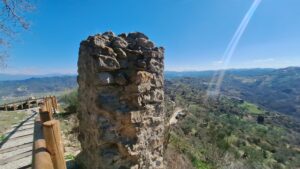
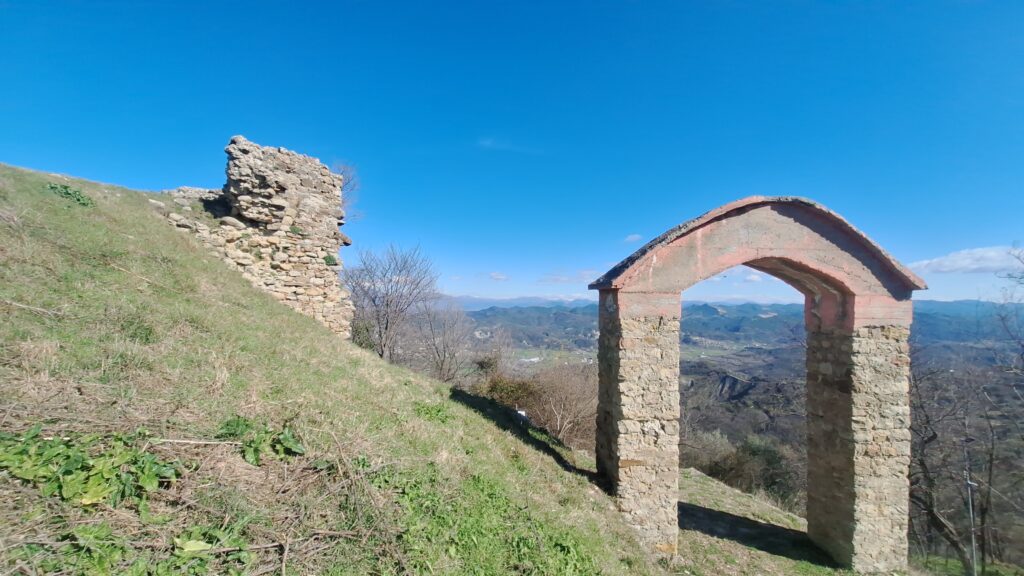
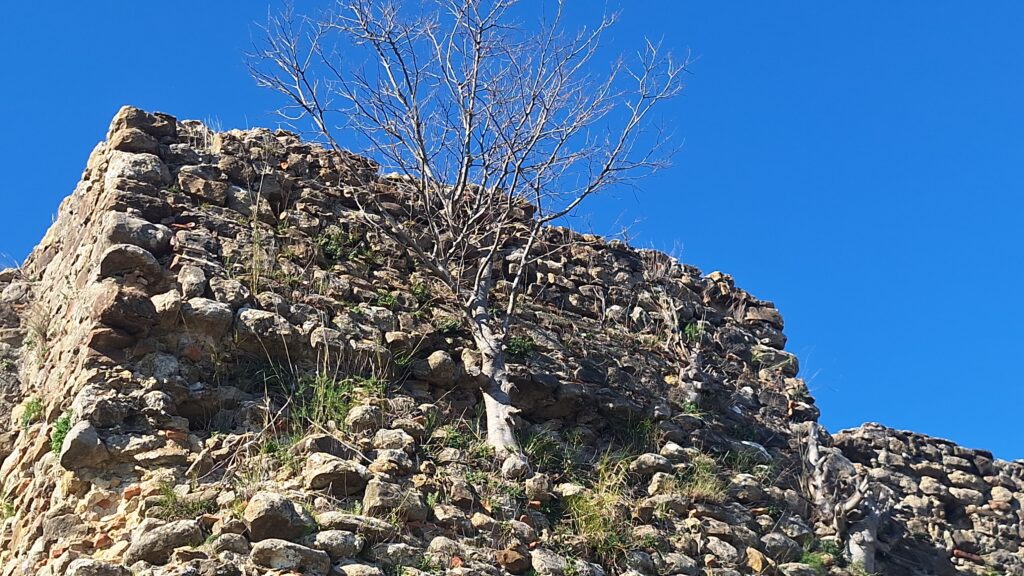
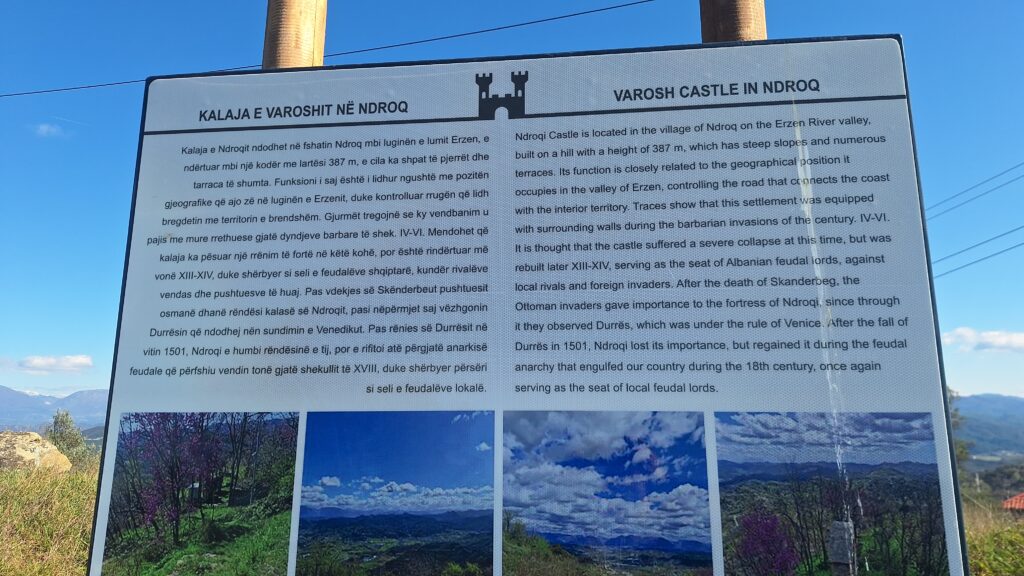
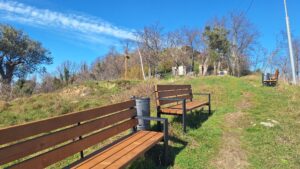
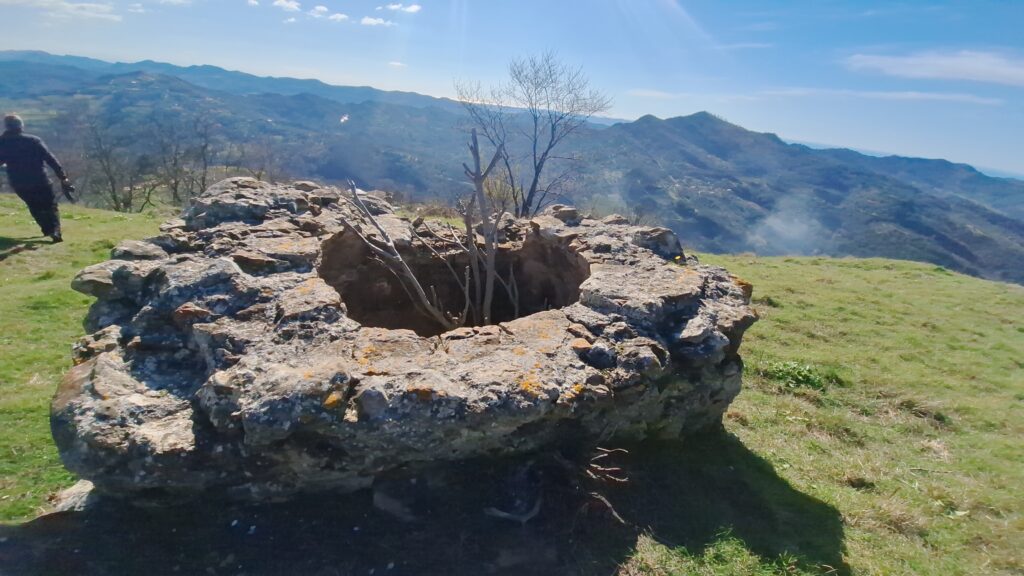
Ndroqi Castle is located in the suburb of Tirana, over the pyramidal hill of the Ndroqi village, on the left side of the Erzen River valley. It is 387 metres above sea level. This castle is known to have been built between IV-VI century AD and has been part of the defense system of the city of Durres, communicating also with Tirana fortifications of Dorëzi and Petrelë. This castle is part of the Ndroq Administrative unit. From the top of the hill, you can see the city of Tirana, Durresi, and other castles around Tirana, such as Petrela Castle, Ishmi Castle, Preza Castle, and a little bit you can see the castle of Berati and Mount Tomorr. This is one of the biggest castles in Tirana.
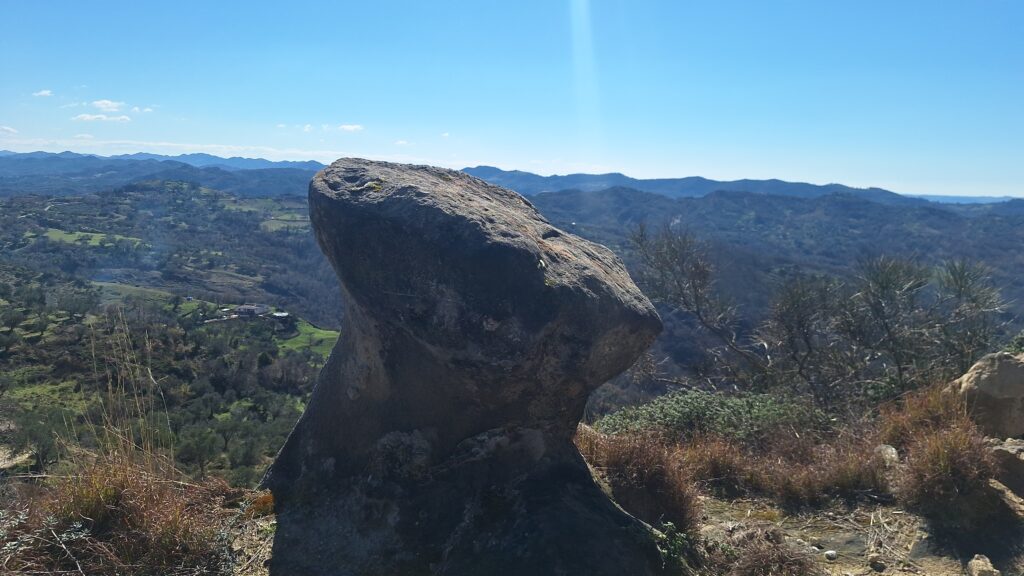
Back in the Middle Ages, the castle of Ndroqi, with the Peza area and Kavaja region, was called Tumenisht. Austrian historian J G Han says that the road to Ndroqi is well known during the XI century as an alternative road to Via Egnatia, which linked the cities Durres, Ohrid, and Costandinopoja. The remains of this castle are still there. Now it is called the Varoshi Castle, which, in fact, is not linked to any history of the region. In the otoman registers, it was mentioned as Andromaki, from which the Ndroqi village took the name.
The story of the Emperor who survived here
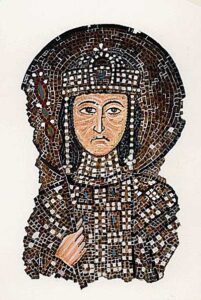
Byzantine historian Anna Comnena (1083- ca. 1153) was the daughter of Emperor Alexius I Comnenus (reg. 1081-1118). She wrote about the “History” of Byzantium period in 8 books (1148), which became known as the “Alexiad.” Of interest in the “Alexiad,” which, as the title implies, is devoted to the memory of her father, is her description of the Norman invasion of Albania led by her father’s early rival, Robert Guiscard, Duke of Apulia (reg. 1057-1085). Guiscard laid siege to Durrës in 1081 and defeated the Byzantine emperor there. His men then set off in pursuit of Alexius. Anna Comnena describes the events with great clarity. 1081 | Anna Comnena: The Norman Invasion of Albania
Here is the story:
Stand on the heights of Ndroq and look down at the valley of the Erzen River. Imagine the year 1081. The wind is sharp, the ground trembles with hooves, and below this very rock, an emperor is fighting for his life.
This is the place Anna Comnena — daughter of Byzantine emperor Alexius I Comnenus — called Kake Pleura, known today as Ndroq.
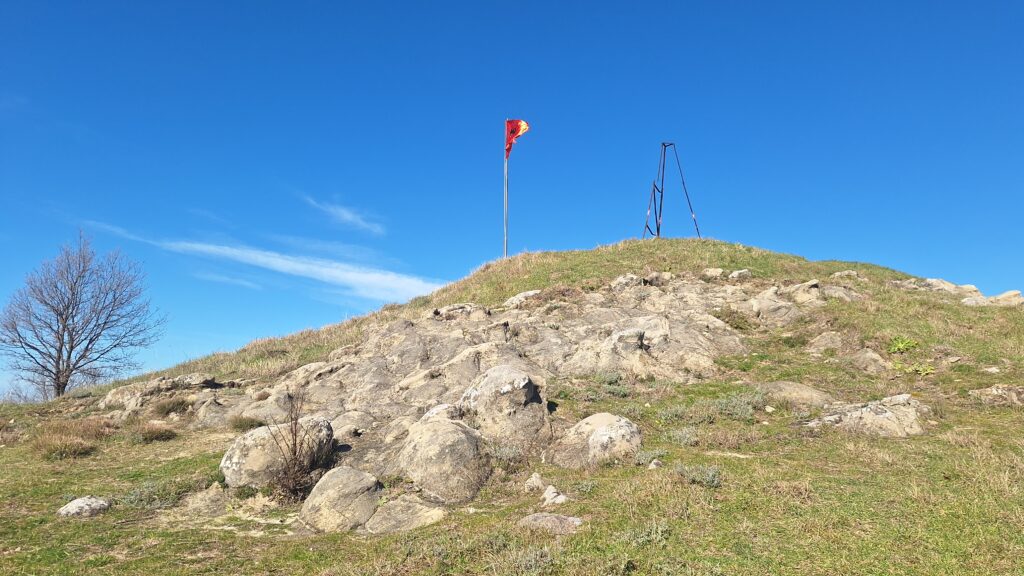
In her great chronicle, the Alexiad, she tells how Norman forces led by Robert Guiscard invaded the Balkans and defeated the Byzantines near Durrës. The emperor fled eastward. His enemies chased him relentlessly — and they caught up with him here.
Below flowed the river. Before him rose a high, overhanging rock. There was no escape.
Nine Norman warriors surrounded him. Spears struck from the left. Others lunged from the right. His body swayed in the saddle; death was only a breath away. One slip, and he would fall between river and stone.
Yet he did not fall.
With one hand, he gripped his horse’s mane. With the other, he steadied his sword against the earth. His spurs caught the saddle cloth. Spears that were meant to kill him instead held him upright, pressing him into balance from both sides. Anna writes that it was as if divine power itself intervened.
Then came the moment that turned this rock into legend.
His warhorse — a dark bay stallion named Sgouritzes — gathered its strength and leapt. Not down. Not aside. But upward.
The horse sprang onto the impossible rock face “as if raised on wings,” Anna says — like Pegasus of myth. The Normans stood astonished below. Their spears fell from their hands.
From that rock, the emperor escaped.
He rode through mountain paths toward Ohrid, crossing wild terrain, wounded but unbroken. The war would continue. Empires would clash again. But here, at Ndroq, history balanced on the edge of a saddle — and survived by courage, strength, and perhaps a touch of destiny.
Today, when you walk among the remains of Ndroq Castle, you are not only visiting stones. You are standing at the place where an emperor defied death between the river and the rock.
The silence of the landscape hides the thunder of hooves that once echoed here.
And if you look carefully at the cliff above the Erzen, you may still understand why even Robert’s fiercest warriors believed that no man — without wings — could climb it.
The full story 1081 | Anna Comnena: The Norman Invasion of Albania


Other News to Read
Tirana Mosaic-Oldest treasure of Tirana- 2000 years of history
“Oldest treasure of Tirana — 2000 years of history beneath our city. Mosaic of Tirana
Johann Georg von Hahn: Tyranna (Tirana) in 1854
I was particularly surprised by the town itself. I was expecting a sombre and dirty nest, but encountered…
What to do in April 2026 in Tirana
April begins with numerous activities in Tirana. Some festivals feature music, art, and culture. April is also a…
Discover Dorëzi Castle- the oldest urban civilisation in Tirana
Discover Dorëzi Castle- the oldest urban civilisation in the Tirana Region