
Tirana Mosaic — Where Tirana’s Story Truly Begins



The Oldest Treasure of Tirana — 2000 Years Beneath the City
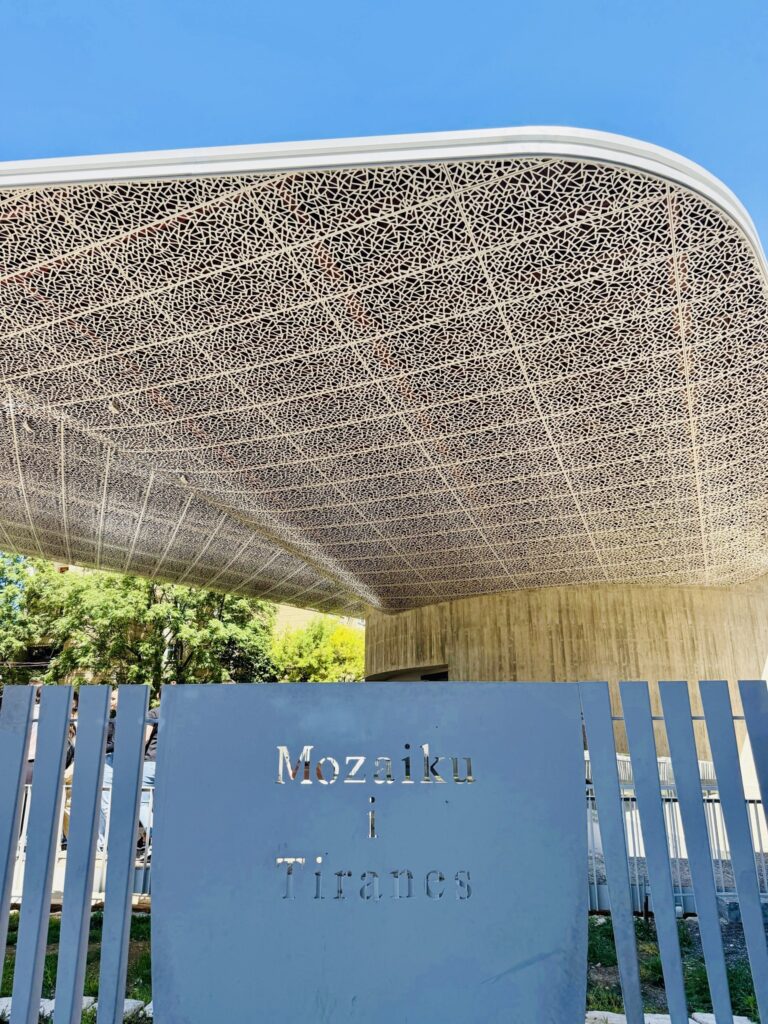
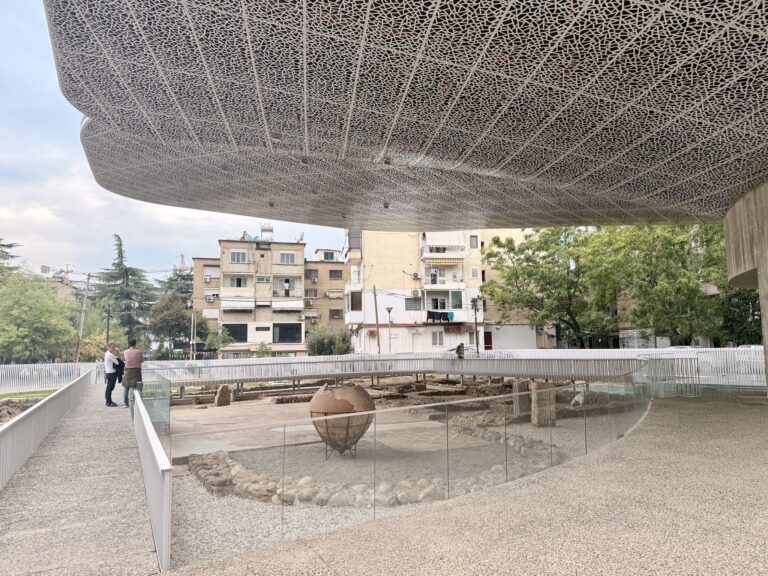
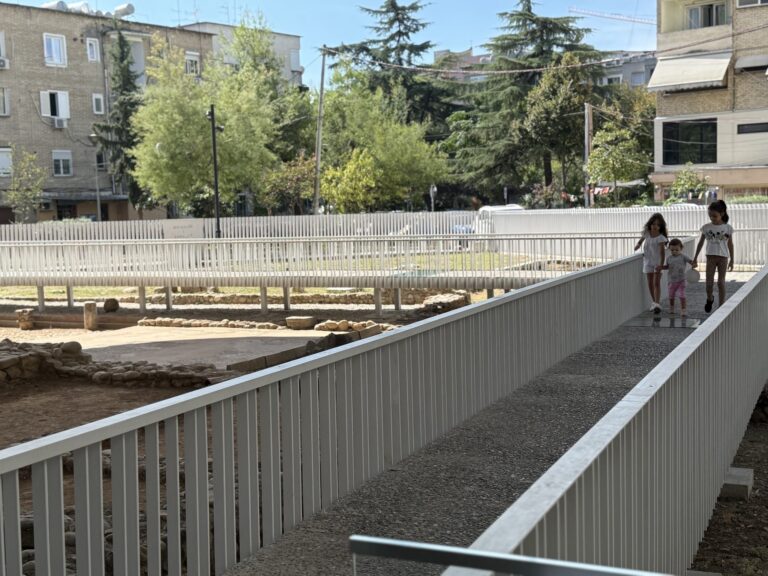
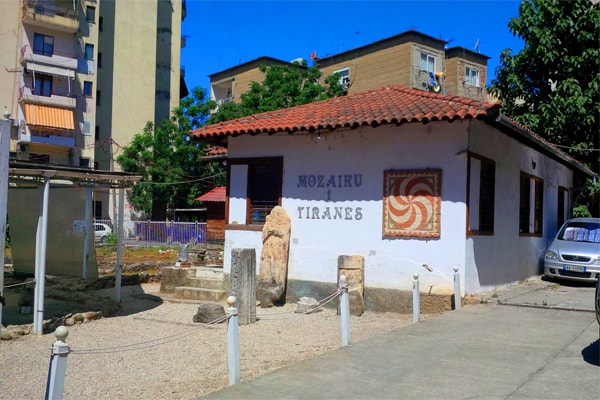
Hidden beneath the modern urban fabric of Tirana lies one of its most remarkable archaeological treasures: the Tirana Mosaic, a site that reveals over two millennia of history.
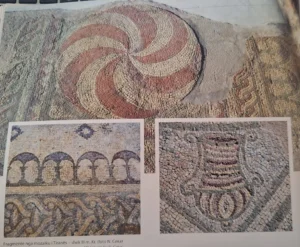
Dating back to the 1st century AD, this site represents the earliest known settlement within the urban area of Tirana. Declared a Cultural Monument in 1973, it preserves fragments of a once-thriving rural complex, offering a rare glimpse into life during the Roman period.
The mosaics themselves are striking in their simplicity and symbolism. They feature geometric patterns alongside depictions of poultry and fish, elements that reflect both daily life and early symbolic expression in the region.
Discovery by Chance
The site was discovered in 1972 during construction works in the “Partizani” block, in an area historically known as Kroi i Shëngjinit (Source of Saint John).
What began as a routine excavation quickly turned into an archaeological emergency. Construction had already caused significant damage before the importance of the remains was understood.
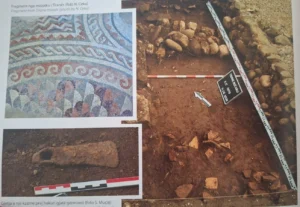
A joint expedition led by archaeologists S. Anamali and A. Meksi immediately intervened. Early excavations uncovered:
- Structural walls
- Roof tiles
- Ceramic vessels
These findings pointed to a simple rural settlement from the 1st century AD, which later evolved into a more complex structure.

From Farm to Complex Estate
By the 3rd century AD, the site had transformed into a larger villa complex with agricultural functions.
At its center stood a hall measuring 15 × 8 meters, paved with mosaics of geometric and floral motifs. Evidence such as round bricks suggests the presence of a hypocaust system—an early form of central heating used in Roman architecture.
For a time, researchers believed the building had been converted into a Paleo-Christian church in the 4th century, based on symbols like crosses, fish, and birds found in the mosaics, and bricks associated with the era of Emperor Constantine the Great.
A Revised Interpretation
More recent excavations (2003–2004 and 2008), led by S. Muçaj, have challenged this earlier interpretation.
New evidence suggests that the site was not a church, but rather a typical Roman farm villa, widely found across the region during the 3rd century AD.
Key discoveries include:
- Fermentation vats for grape must
- Large storage jars (pithoi/dolia) for wine
- Additional structural remains
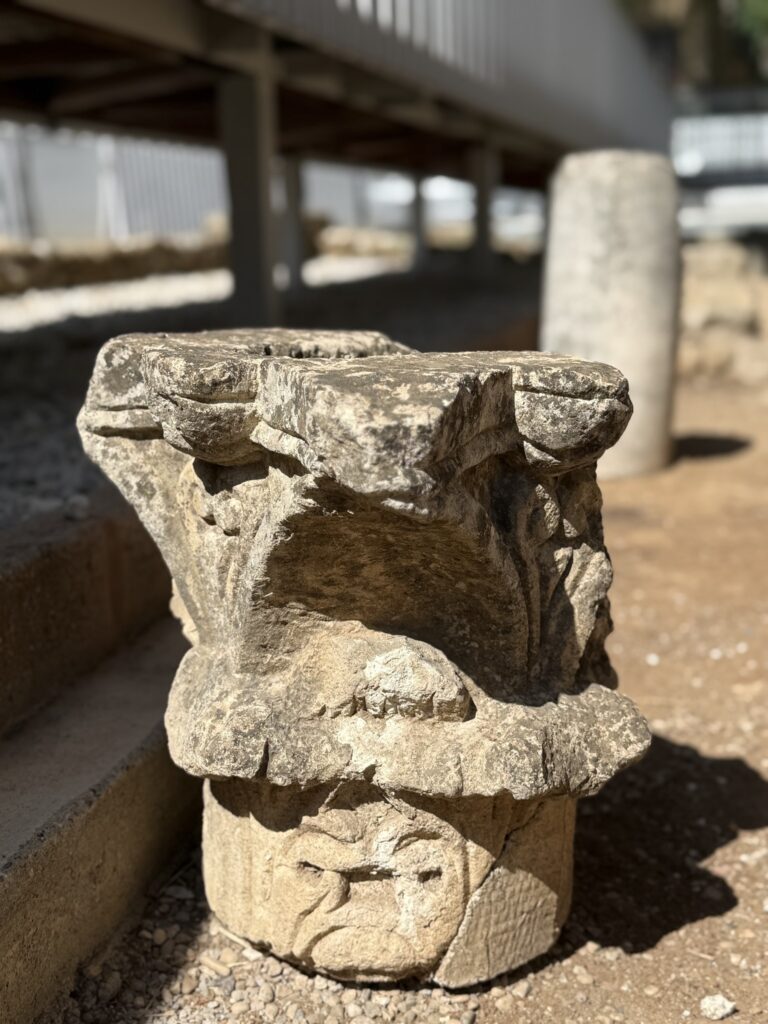
- Roman funerary stelai
These findings indicate that the complex was primarily engaged in wine production, and possibly also olive processing, given the agricultural context of the area.
Destruction and Legacy
Archaeological layers show signs of burning, suggesting the site was destroyed during the Gothic invasions (circa 385–410 AD).
Today, the Tirana Mosaic stands as a rare and tangible connection to the ancient past of a city often perceived as modern. It reminds us that beneath Tirana’s streets lies a layered history still waiting to be fully uncovered.
The Tirana Mosaic is not just an isolated ruin—it is proof that Tirana has continuous habitation dating back at least 2000 years. The area played a role in Roman agricultural and economic networks. Much of the city’s ancient heritage remains hidden beneath modern development
Street: Sander Prosi
info@drtktirane.gov.al
Bibliography:
S. Anamali, Mozaikët e Shqipërisë, Tiranë, 1974.
Historia e Arkitekturës Shqiptare, Tiranë, 1979
Tirana Archaeology 100, Arkeologjia 100, Neritan Ceka, Skender Mucaj, Luan Perzhita.