
The Olive Oil Heritage of Marikaj

  • Albania is increasingly recognized for its distinctive culinary traditions, and one of the main reasons Albanian cuisine is so special is the quality of its authentic and aromatic local ingredients. Olive oil, wine, and the wide variety of aromatic herbs that grow throughout the country are among the products that give Albanian food its unique character.

    The area around Tirana is home to a growing number of olive farms, oil mills, and family-run producers that preserve traditional methods while developing new ways to present local products to visitors.

    This itinerary introduces visitors to the olive oil heritage of Marikaj, combining ancient olive groves, traditional agricultural practices, olive oil production, local gastronomy, and a family business that has transformed olive oil into a diverse tourism product.

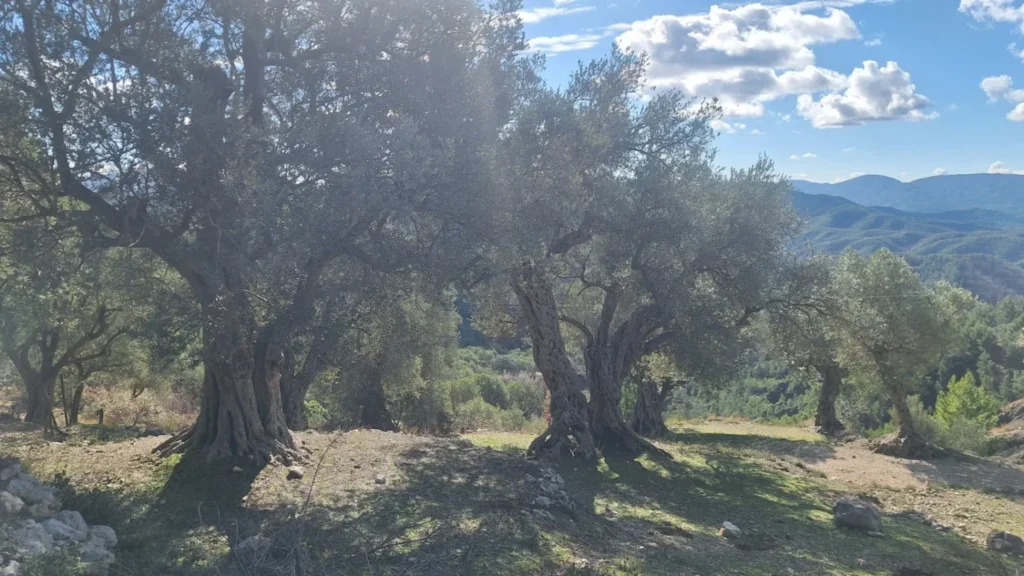
    The tour begins among the ancient olive trees of the hills surrounding Marikaj. Some of these trees are traditionally considered to be between 500 and 2,500 years old, creating a remarkable landscape where agriculture, history, and nature come together.

    The tradition of olive cultivation and olive oil production in this area dates back centuries. Historical documents indicate that during the 17th and 18th centuries, olive oil produced in this region was exported toward the Republic of Venice and the Venetian territories associated with Saint Mark.

    Visitors will learn about the varieties of olives cultivated in the area, the age and characteristics of the trees, the qualities of good olives, and the agricultural practices required to maintain healthy trees and achieve consistent production.

    The experience continues at the family olive oil mill, where visitors can observe how olives are carefully collected and processed. The facility serves not only the family’s own olive groves but also processes olives for dozens of farmers from the surrounding area and beyond.

    The final stages of the experience introduce visitors to the family’s shop and its innovative range of olive-oil-based products. Around 35 products are displayed, including aromatic olive oil soaps, locally collected and carefully dried herbs, traditional teas, olive-wood souvenirs, and different varieties of olive oils infused with local herbs and spices.

    The tour concludes with an olive oil tasting experience, where visitors learn how to identify some of the basic characteristics of high-quality extra virgin olive oil and distinguish it from lower-quality products.

    The tasting can be accompanied by local products, herbal teas, and traditional dishes such as byrek with local wild herbs, creating an authentic culinary experience based on the agricultural traditions of the area.

    This experience also demonstrates how an agricultural product can become a tourism attraction. Producing high-quality olive oil is only the first step. By developing tastings, local products, cosmetics, souvenirs, and educational experiences, olive growers can transform their farms and olive oil into attractive rural tourism destinations.

    The Marikaj model can therefore serve as inspiration for other Albanian olive farmers who wish to develop similar experiences and connect agricultural production with tourism.

    1 Day Tour

    09:30 – 11:00

    Ancient Olive Groves of Marikaj

    The tour begins in the hills surrounding Marikaj, among the area’s remarkable olive groves and beautiful natural landscapes.
    Some of the olive trees in the area are traditionally considered to be between 500 and 2,500 years old, reflecting the long relationship between local communities and olive cultivation.

    The olive tree has played an important role in Mediterranean agriculture for thousands of years, providing food, oil, wood, and other products.
    The Marikaj landscape offers visitors an opportunity to discover this agricultural heritage directly among the trees.

    Highlights include:
    • Ancient olive trees
    • Traditional olive-growing landscapes
    • Different local olive varieties
    • Characteristics of mature olive trees
    • Traditional and modern cultivation practices
    • The importance of tree care for annual production
    • Panoramic views over the surrounding countryside

    During the visit, visitors will learn how the age, variety, health, soil, climate, and cultivation methods of an olive tree influence the quality and quantity of its fruit.
    The experience demonstrates that producing good olive oil begins long before the olives reach the mill.

    11:00 – 12:30

    History of Olive Oil Production in Marikaj

    The tour continues with an introduction to the historical tradition of olive cultivation and olive oil production in the region.
    Historical documentation indicates that during the 17th and 18th centuries, olive oil from this area was exported toward the Republic of Venice and territories associated with Saint Mark.
    This trade demonstrates the importance of olive oil as an agricultural and commercial product in Albania’s historical economy.

    Visitors will explore:
    • The history of olive cultivation in the region
    • The importance of olive oil in traditional Albanian cuisine
    • Historical trade connections
    • Traditional uses of olive oil
    • The relationship between agriculture and local communities

    The visit also provides an opportunity to understand how olive-growing traditions have survived through generations and continue to form part of the rural identity of the area.

    12:30 – 14:00

    The Olive Oil Mill and Production Process

    The tour continues to the family olive oil mill, where visitors can observe the process of transforming freshly harvested olives into olive oil.

    The mill does not serve only the family’s own olive groves. It also processes olives for dozens of farmers from the surrounding area, making it an important part of the local agricultural community.

    Visitors will learn about:
    • Olive harvesting
    • Careful collection and handling of the fruit
    • Preparation of olives for processing
    • The olive oil production process
    • The importance of processing olives at the appropriate time
    • Storage and preservation of olive oil
    • Factors that influence the quality of the final product

    Particular attention is given to the idea that the quality of olive oil depends not only on the olive variety but also on harvesting, handling, processing, storage, and presentation.
    The mill therefore represents the connection between traditional agriculture and modern food production.

    14:00 – 15:00

    From Olive Oil to Tourism Products

    The next part of the experience focuses on how the family has expanded olive oil production into a wider range of tourism and lifestyle products.

    By combining olive oil with locally collected aromatic herbs and traditional knowledge, the family has developed a variety of products that go beyond culinary use.

    Visitors will discover:
    • Olive oil-based soaps
    • Aromatic products
    • Dried local herbs
    • Olive-wood souvenirs
    • Flavored olive oils
    • Olive oils infused with local herbs and spices
    • Other olive-oil-based products

    This part of the tour demonstrates how a traditional agricultural product can be transformed into a broader tourism experience.
    The objective is not simply to produce olive oil, but to add value to the product and create an authentic experience for visitors.

    15:00 – 16:00

    Family Shop and Olive Oil Tasting

    The final stop is the family’s shop, where visitors can see approximately 35 different products created from or inspired by olive oil and other local ingredients.
    The shop presents the agricultural products of the area in a way that connects local production with tourism, gastronomy, wellness, and souvenirs.

    The experience concludes with an olive oil tasting.
    Visitors will be introduced to some of the basic characteristics used to recognize a high-quality extra virgin olive oil, including its aroma, flavor, freshness, and overall sensory character.

    The tasting may be accompanied by:
    • Traditional products
    • Fresh bread and olive oil
    • Local herbs
    • Byrek with olive pate
    • Other seasonal products from the area

    The tasting transforms the visit from a simple agricultural tour into a complete culinary experience.

    16:00

    End of Tour

    The tour concludes with an appreciation of the complete journey of olive oil—from the ancient trees of the Marikaj hills to the modern family shop.
    Visitors discover how centuries-old agricultural traditions continue to influence contemporary Albanian food culture and rural tourism.

    The experience demonstrates that olive oil is more than a food product. It is part of the landscape, history, economy, cuisine, family traditions, and cultural identity of the region.

    The Marikaj experience also presents an important opportunity for Albanian farmers.
    Producing quality olive oil is only the beginning. The next step is learning how to present, market, and transform that product into an attractive tourism experience.

    Similar olive oil tours can be developed by other Albanian farmers who own olive groves and produce their own oil, creating new opportunities for rural tourism, direct sales, gastronomy, education, and local economic development.

    Multiple Days Tour

    Itinerary Map

    Photo Gallery

    Tour Details

    • Duration: Full Day – Approximately 6.5 hours
    • Difficulty Level: Easy
    • Experience Type: Gastronomy, agriculture, olive oil, rural tourism, local culture, and traditional products
    • Group Size: Suitable for individuals, families, small groups, private tours, and educational groups
    • Languages: Albanian / English
    • Location: Marikaj and surrounding rural areas

    What's Included

    ✔ Professional licensed tourist guide
    ✔ Guided visit to the olive groves
    ✔ Introduction to local olive-growing traditions
    ✔ Visit to the family olive oil mill
    ✔ Explanation of the olive oil production process
    ✔ Visit to the family shop
    ✔ Olive oil tasting
    ✔ Tasting of selected local products

    What's Not Included

    ✘ Full meals and drinks unless specified in the package
    ✘ Personal expenses
    ✘ Transportation unless requested as part of the package
    ✘ Purchase of olive oil and other products from the family shop

    Suggested Price

    €…… / person

    The price includes:
    ✔ Professional tourist guide
    ✔ Guided agricultural and cultural tour
    ✔ Visit to the olive groves and olive oil mill
    ✔ Olive oil tasting
    ✔ Selected local tastings

    Recap

    Discover the story of Albanian olive oil from the ancient olive groves of Marikaj to the family mill and the final tasting experience.
    Walk among centuries-old olive trees, learn about traditional cultivation, discover how olives are transformed into oil, taste locally produced extra virgin olive oil, and explore a collection of handmade and locally inspired products.

    Experience the connection between agriculture, history, gastronomy, family tradition, and tourism, and discover how a simple local product can become a complete cultural experience.
    Marikaj offers more than olive oil. It offers the story of the tree, the land, the family, the tradition, and the people who transform an agricultural product into an authentic Albanian tourism experience.

    Subscribe to our Newsletter!